Cooling Tower Solutions: Efficient Heat Rejection for Sustainable Operations
Core features and noise reduction technology:
✅ Counterflow high-efficiency heat exchange:
Cooling air is forcibly sucked in from the bottom of the tower and flows vertically from bottom to top.
Circulating hot water is evenly sprayed by the high-efficiency low-pressure nozzle system at the top of the tower.
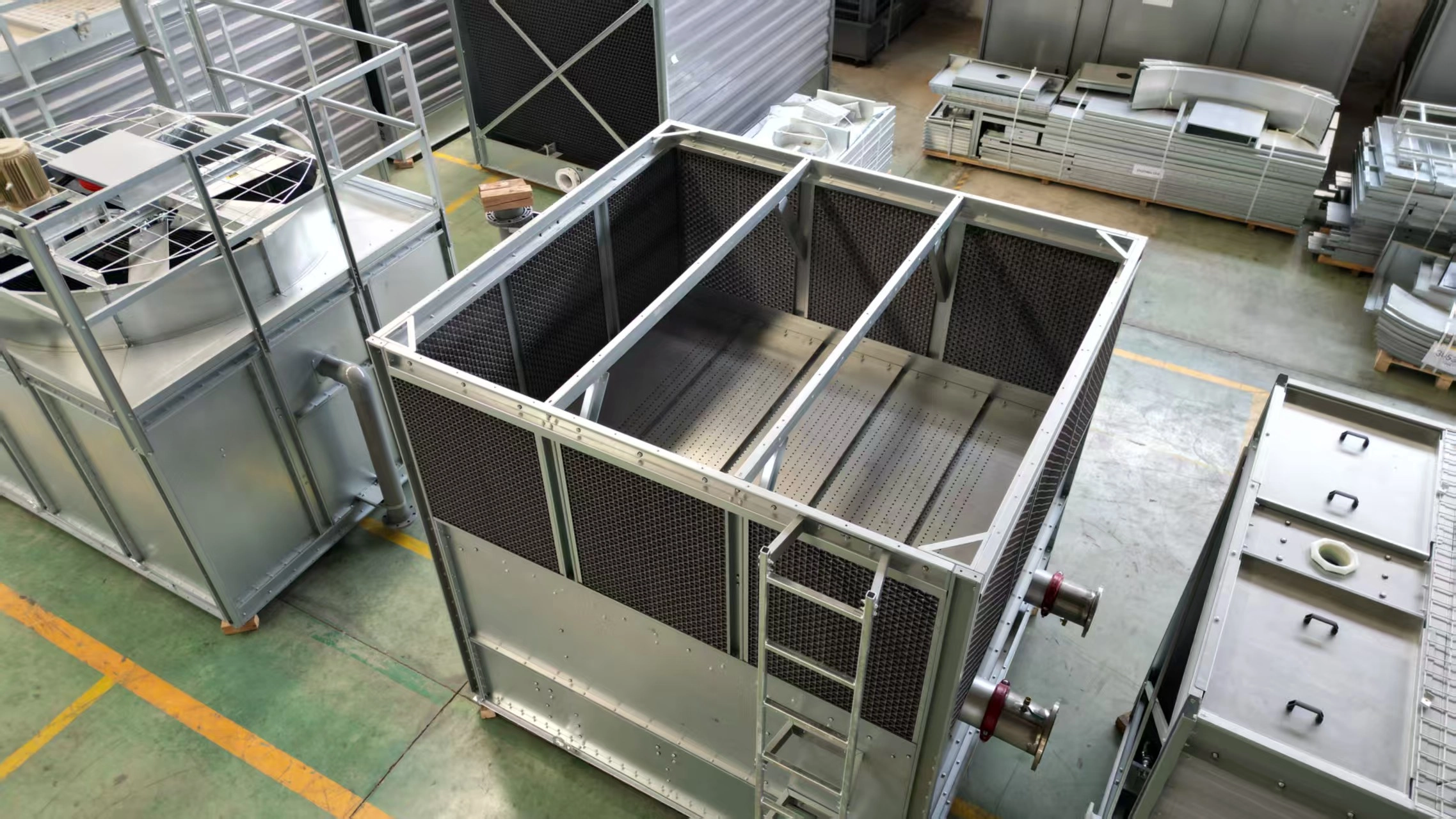
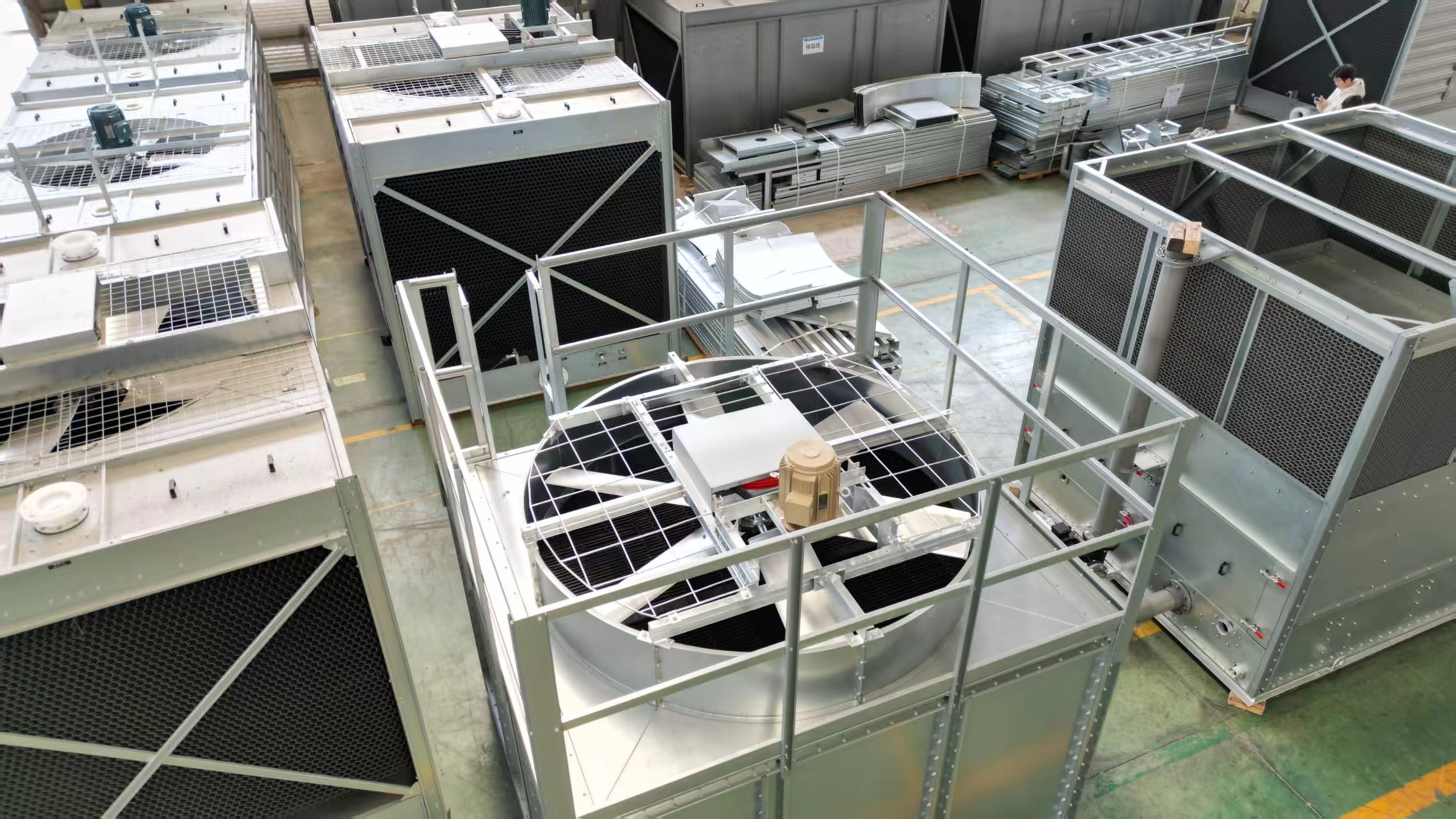
Air and water form a counterflow in the high-performance film filler filled in the tower for sufficient heat and mass exchange. This design has high heat exchange efficiency and large processing capacity per unit area.
✅ Square structure, compact layout:
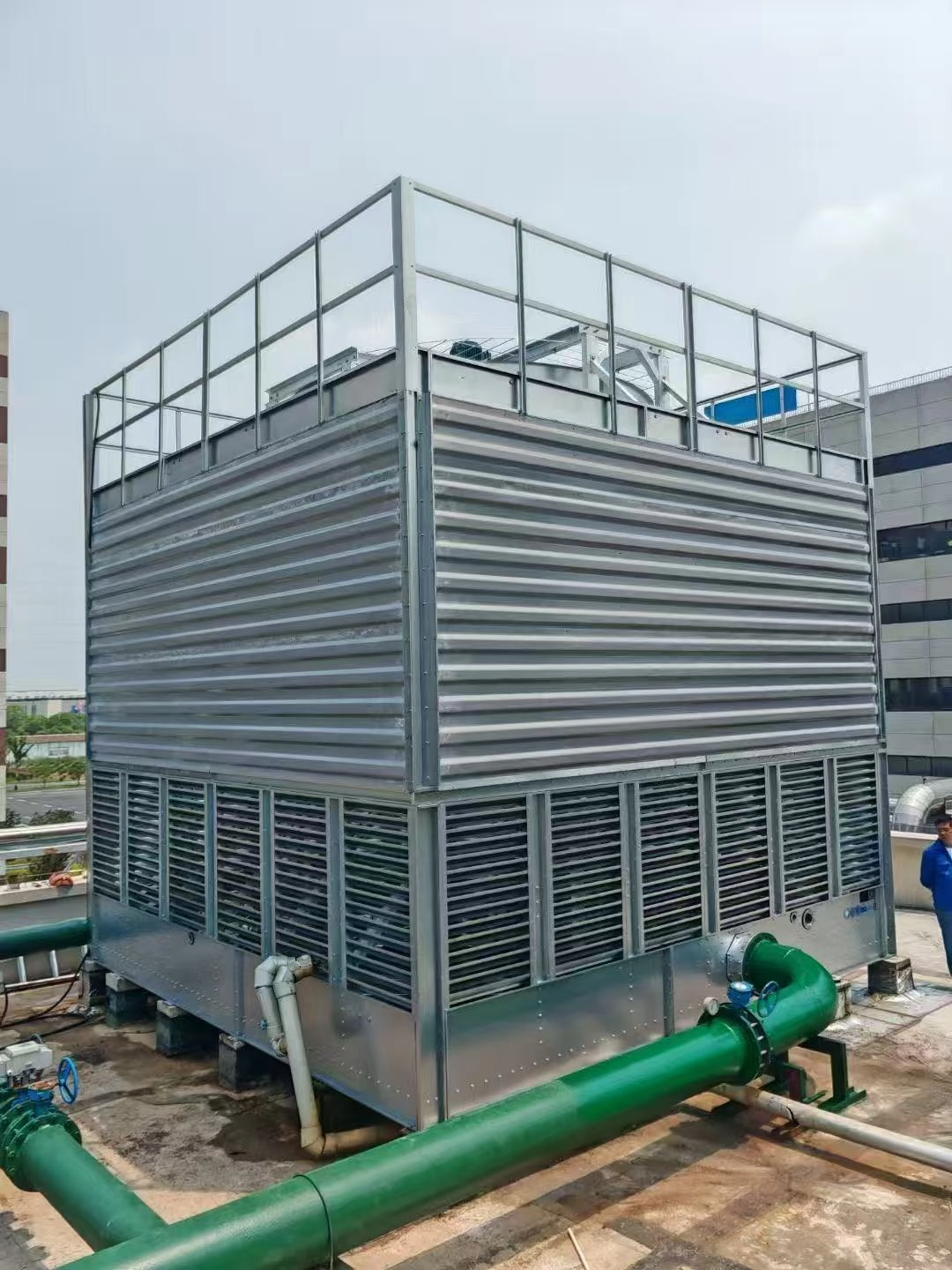
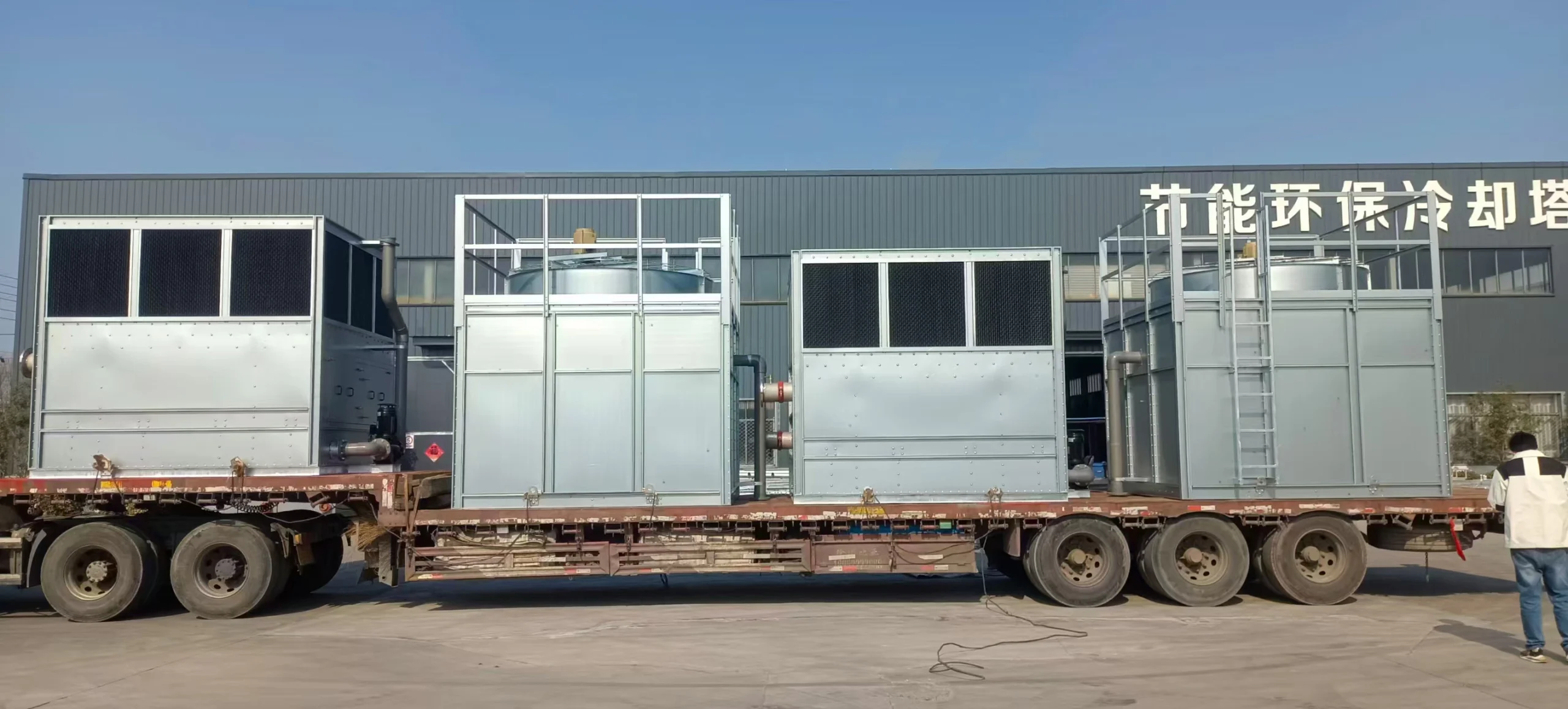
Square cross-section design, compact structure, relatively small footprint.
It is convenient for multiple modular combination installations to meet different space requirements. At the same time, the square structure itself is also conducive to the restraint and absorption of sound waves.
✅ Core noise reduction technology:
Ultra-low noise fan system:
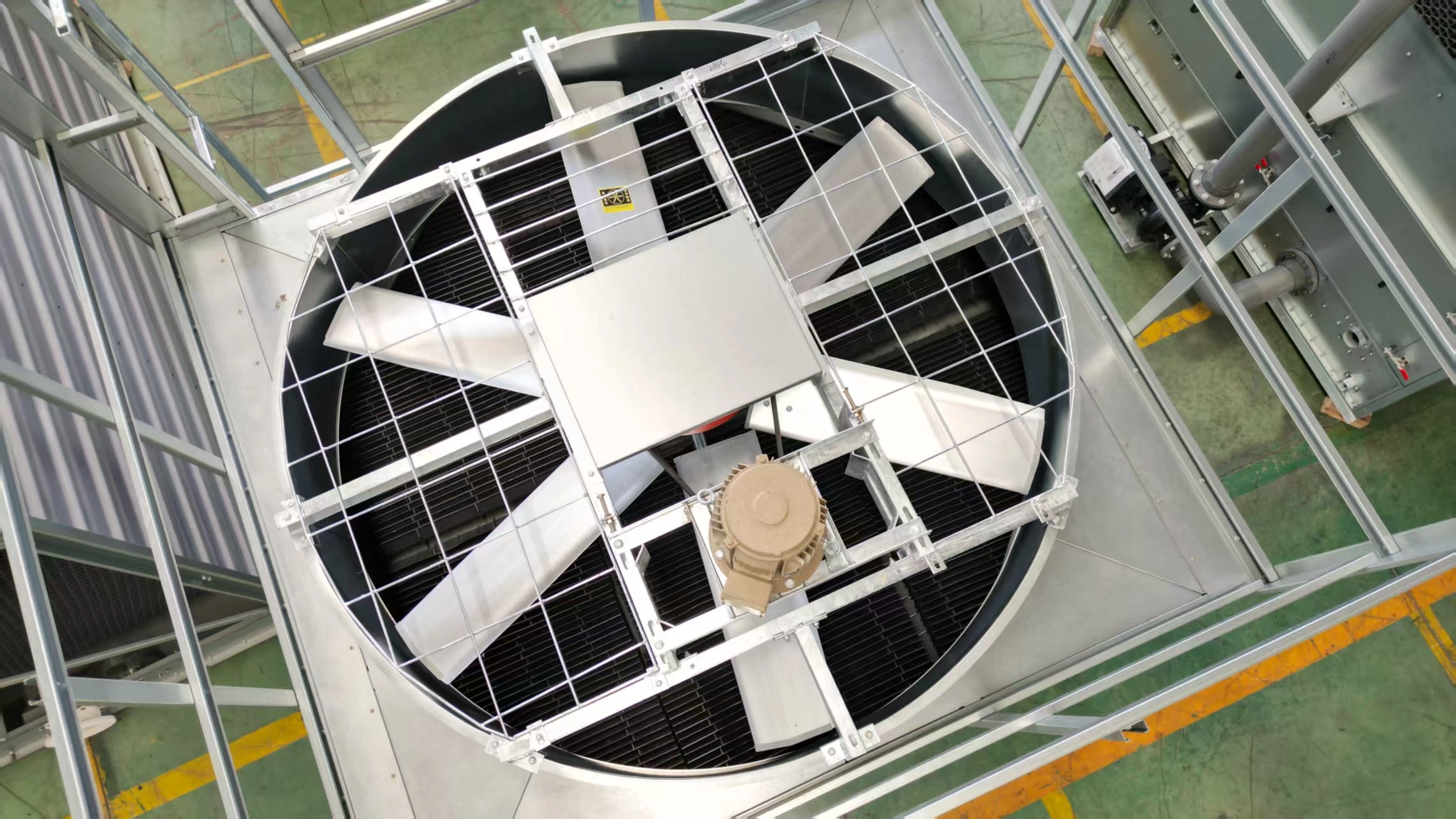
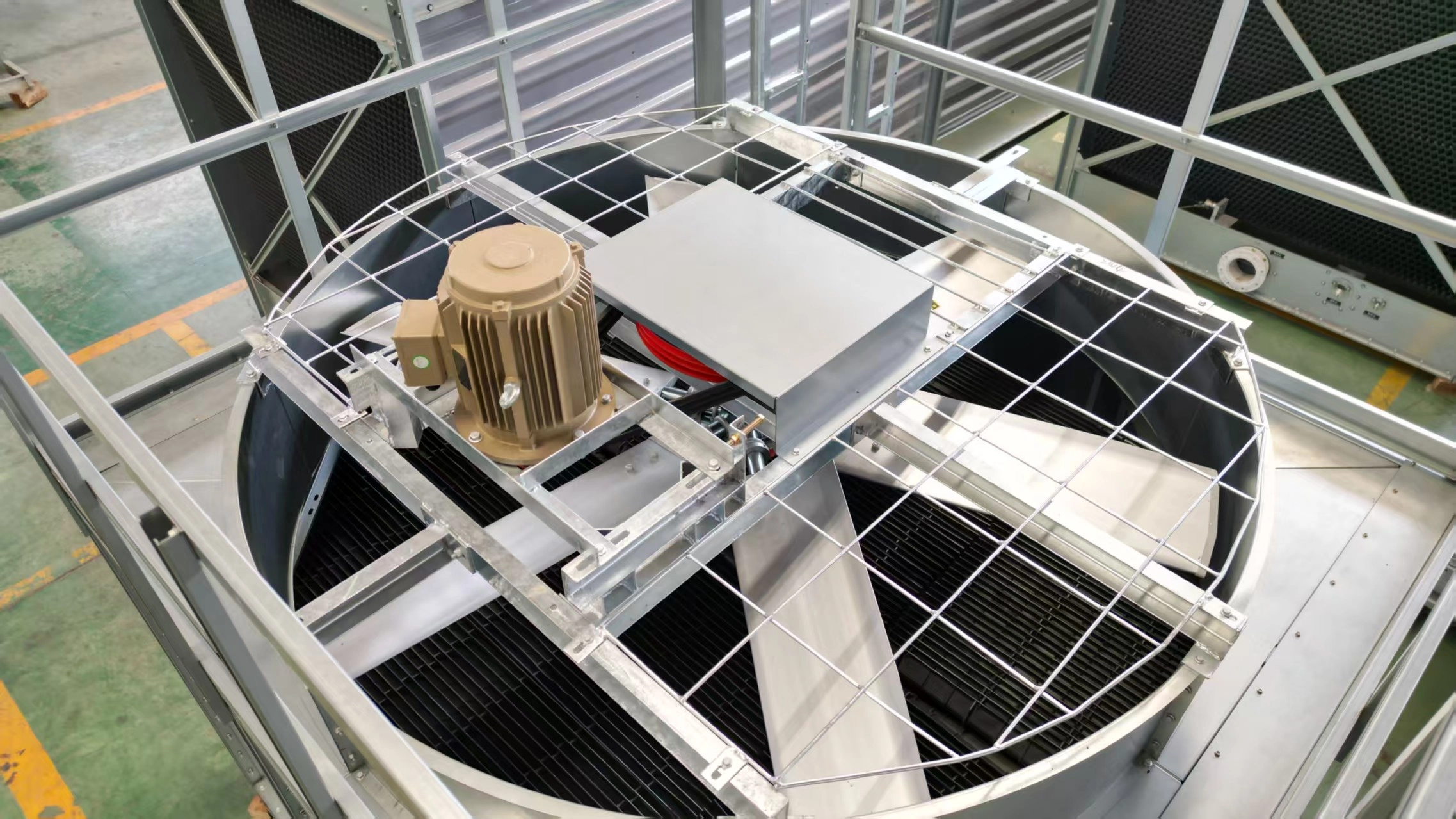
Using large-diameter, low-speed wide-blade high-efficiency fan blades (often airfoil-shaped design) to significantly reduce rotational noise and eddy current noise.
Equipped with a variable frequency drive motor, the speed can be adjusted in real time according to the load, further significantly reducing noise and energy consumption at partial load.
The fan is usually placed in the silencer wind tube at the top of the tower, and the inner wall of the wind tube is covered with high-efficiency sound-absorbing materials to effectively block and absorb the fan noise from propagating upward.
✅Optimize water system noise reduction:
Use low-pressure, high-flow, splash-proof nozzles to reduce the noise caused by water droplet spraying and impact.
Optimize the design of the water distribution system to ensure uniform water flow distribution and avoid local water flow impact sound.
The water collection tray at the bottom of the tower can be designed with a falling water energy dissipation device (such as a water surface mesh pad) to effectively buffer and absorb the impact noise of the falling water flow.
✅Sound-absorbing structure design:
The side panels of the tower body can adopt a double-layer sandwich panel structure, with sound-absorbing cotton (such as rock wool, glass wool) filled in the middle to effectively isolate the internal noise from radiating outward.
Silence-absorbing shutters or sound-absorbing guide plates can be set at the air inlet to absorb and block the noise of the incoming air flow and the noise transmitted from the inside while ensuring the air intake.
Vibration-reducing pads/damping materials are used at the joints of key components to reduce the noise transmitted by structural vibration.
✅Efficient, energy-saving and reliable:
The counter-flow design with high-performance filler achieves high heat exchange efficiency and reduces operating energy consumption.
Main structural parts (such as frames and shells) are usually made of corrosion-resistant materials (such as galvanized steel and high-quality fiberglass), ensuring a strong structure, long life and easy maintenance while reducing noise.

| NO. | Flow | Dimension size | Fan diameter | Motor power | Water pressure | Operating weight | |||
| m³/h | mm | mm | kw | kpa | kg | ||||
| MODEL | FLOW | length(L) | width(W) | high(H) | FAN | MOTOR | HEAD LOSS | Net weight | Operating weight |
| LENGTH | WIDTH | HEIGHT | DIAMETER | DRYWEIGHT | WETWEIGHT | ||||
| ZLB-10N | 10 | 1400+300 | 1100 | 2350 | 1.5 | 0.75 | 63 | 735 | 1621 |
| ZLB-15N | 15 | 1400+300 | 1100 | 2350 | 1.5 | 0.75 | 65 | 742 | 1638 |
| ZLB-20N | 20 | 1600+300 | 1100 | 2450 | 2.2 | 0.75 | 68 | 885 | 1822 |
| ZLB-25N | 25 | 1600+300 | 1100 | 2450 | 2.2 | 0.75 | 70 | 903 | 2072 |
| ZLB-30N | 30 | 2000+300 | 1100 | 2500 | 1.1*2 | 0.75 | 80 | 1082 | 2290 |
| ZLB-40N | 40 | 2400+300 | 1100 | 2500 | 1.1*2 | 0.75 | 90 | 1305 | 2716 |
| ZLB-50N | 50 | 2400+300 | 1100 | 2700 | 1.5*2 | 1.1 | 95 | 1410 | 2930 |
| ZLB-60N | 60 | 2800+300 | 1100 | 2800 | 2.2*2 | 1.1 | 95 | 1692 | 3416 |
| ZLB-75N | 75 | 3000+400 | 1700 | 3000 | 1.1*3 | 1.5 | 110 | 2480 | 4965 |
| ZLB-100N | 100 | 3000+400 | 1700 | 3000 | 1.5*3 | 2.2 | 115 | 2540 | 5040 |
| ZLB-120N | 120 | 3200+450 | 1700 | 3100 | 1.5*4 | 2.2 | 117 | 2950 | 6075 |
| ZLB-160N | 160 | 3400+450 | 1700 | 3100 | 2.2*4 | 3 | 119 | 3250 | 6980 |
| ZLB-180N | 180 | 3600+500 | 2000 | 3300 | 4*2 | 4 | 109 | 4030 | 8405 |
| ZLB-200N | 200 | 3900+500 | 2000 | 3300 | 4*3 | 4 | 112 | 4570 | 9570 |
| ZLB-250N | 250 | 3900+600 | 2200 | 4200 | 7.5*2 | 5.5 | 110 | 6145 | 12440 |
| ZLB-300N | 300 | 4800+600 | 3000 | 4200 | 11*2 | 7.5 | 115 | 6964 | 13684 |
| ZLB-50F | 50 | 1500+300 | 2340 | 3150 | 2.2 | 1.1 | 95 | 1630 | 3380 |
| ZLB-100F | 100 | 2560+400 | 2340 | 3150 | 2.2*2 | 2.2 | 108 | 2150 | 4675 |
| ZLB-150F | 150 | 3840+450 | 2340 | 3150 | 2.2*3 | 3 | 112 | 3462 | 7168 |
| ZLB-200F | 200 | 4340+500 | 3040 | 4750 | 4*3 | 4 | 118 | 4850 | 9312 |
| ZLB-100H | 100 | 2400 | 4500+450 | 3000 | 5.5 | 2.2 | 110 | 2540 | 5040 |
| ZLB-125H | 125 | 2500 | 4800+450 | 3300 | 5.5 | 2.2 | 100 | 2950 | 6075 |
| ZLB-150H | 150 | 2600 | 4800+450 | 3300 | 7.5 | 3 | 100 | 3250 | 6980 |
| ZLB-175H | 175 | 2800 | 5200+500 | 3400 | 11 | 4 | 105 | 4030 | 8405 |
| ZLB-200H | 200 | 3000 | 5400+500 | 3600 | 15 | 4 | 105 | 4570 | 9570 |
| ZLB-250H | 250 | 3000 | 5800+600 | 4500 | 18.5 | 5.5 | 118 | 6145 | 12440 |
| ZLB-300H | 300 | 3000 | 5800+600 | 5100 | 22 | 7.5 | 121 | 6964 | 13684 |
Core value and application:
The core value of low-noise countercurrent square tower is to control the operating noise to an extremely low level (usually 10-20 dB(A) lower than conventional cooling towers) while meeting the demand for efficient cooling. It solves the contradiction between cooling demand and environmental protection and human comfort, and is particularly suitable for:
✅Urban building complex: central air conditioning system cooling in hotels, hospitals, office buildings, shopping centers, and high-end residential areas.
✅Noise-sensitive areas: schools, scientific research institutions, libraries, theaters, and recording studios.
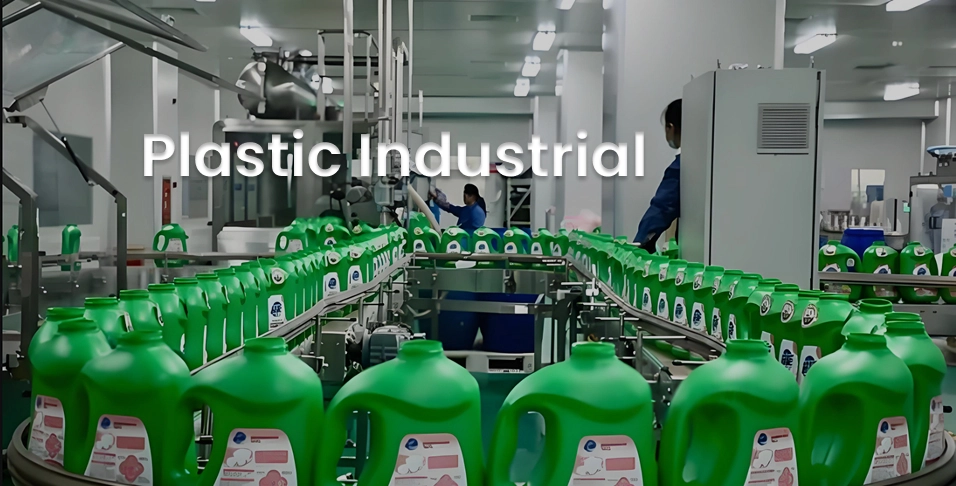
✅Precision industry: workshops such as electronics, semiconductors, and biopharmaceuticals that have high requirements for clean and quiet environments.
✅Regional areas with strict regulations: places that need to meet strict environmental noise emission standards.