Precision Temperature Control for Peak Printing Performance: Industrial Chiller Solutions

Within the demanding environment of modern printing, maintaining precise and consistent temperatures is paramount for achieving high-quality output, maximizing productivity, and minimizing costly downtime and waste. Industrial chiller units provide the essential cooling solution critical to these objectives.

The Challenge:
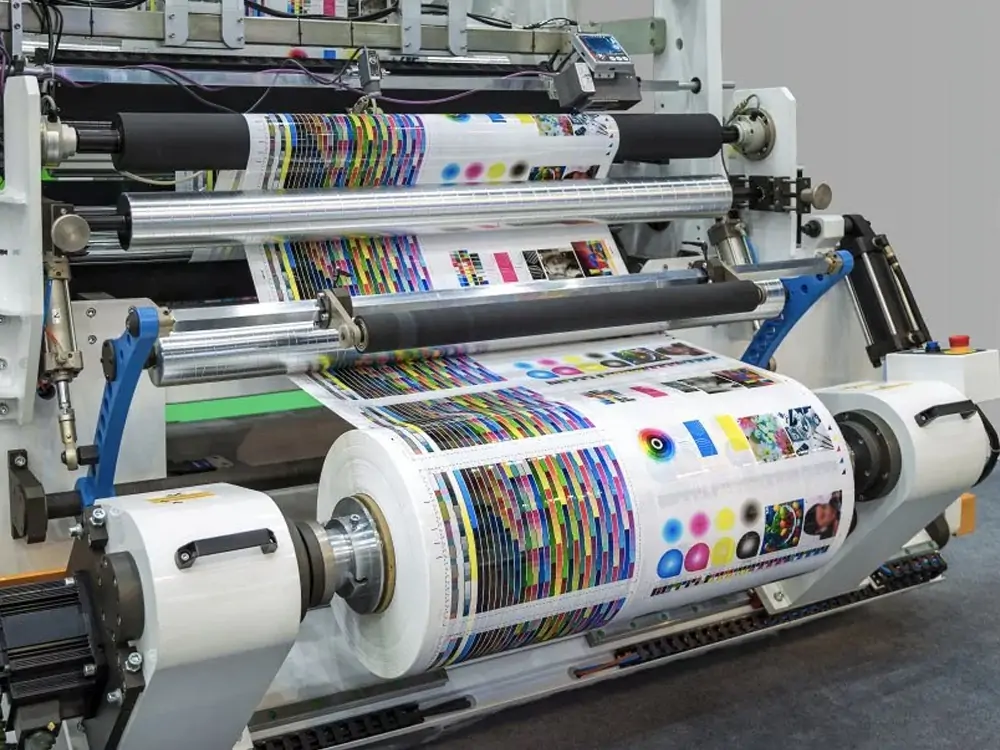
Printing processes generate significant heat from multiple sources:

  1. Friction in Ink & Dampening Systems: Rollers and cylinders rotating at high speeds create friction, heating inks and dampening solutions, altering viscosity and flow characteristics.

  2. High-Intensity Drying/Curing Systems: UV lamps, IR dryers, and hot air dryers produce intense localized heat that must be effectively managed.

  3. Motor & Drive Heat: High-power motors driving presses contribute ambient heat.

  4. Laser Engraving/Digital Print Heads: Advanced digital printing components often require precise cooling.

Uncontrolled heat leads to:

  • Ink Viscosity Changes: Affecting ink transfer, laydown, color density, and registration accuracy.

  • Paper/Dimensional Instability: Causing misregistration and web tension issues.

  • Consistency Problems: Resulting in color shifts and quality variations within and between print runs.

  • Component Stress & Failure: Shortening the lifespan of bearings, rollers, electronics, and print heads.

  • Increased Scrap Rates: Due to quality defects and misalignment.

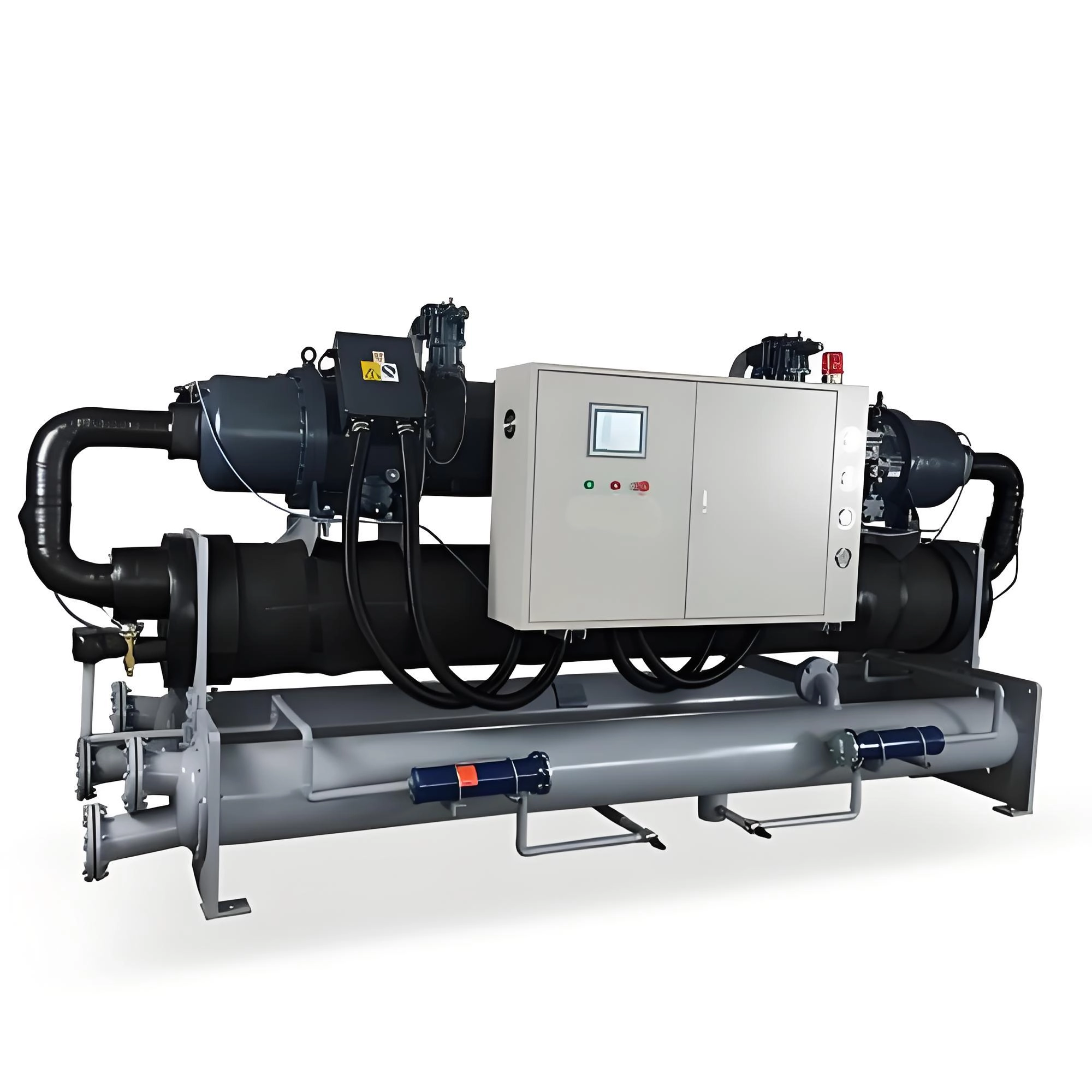
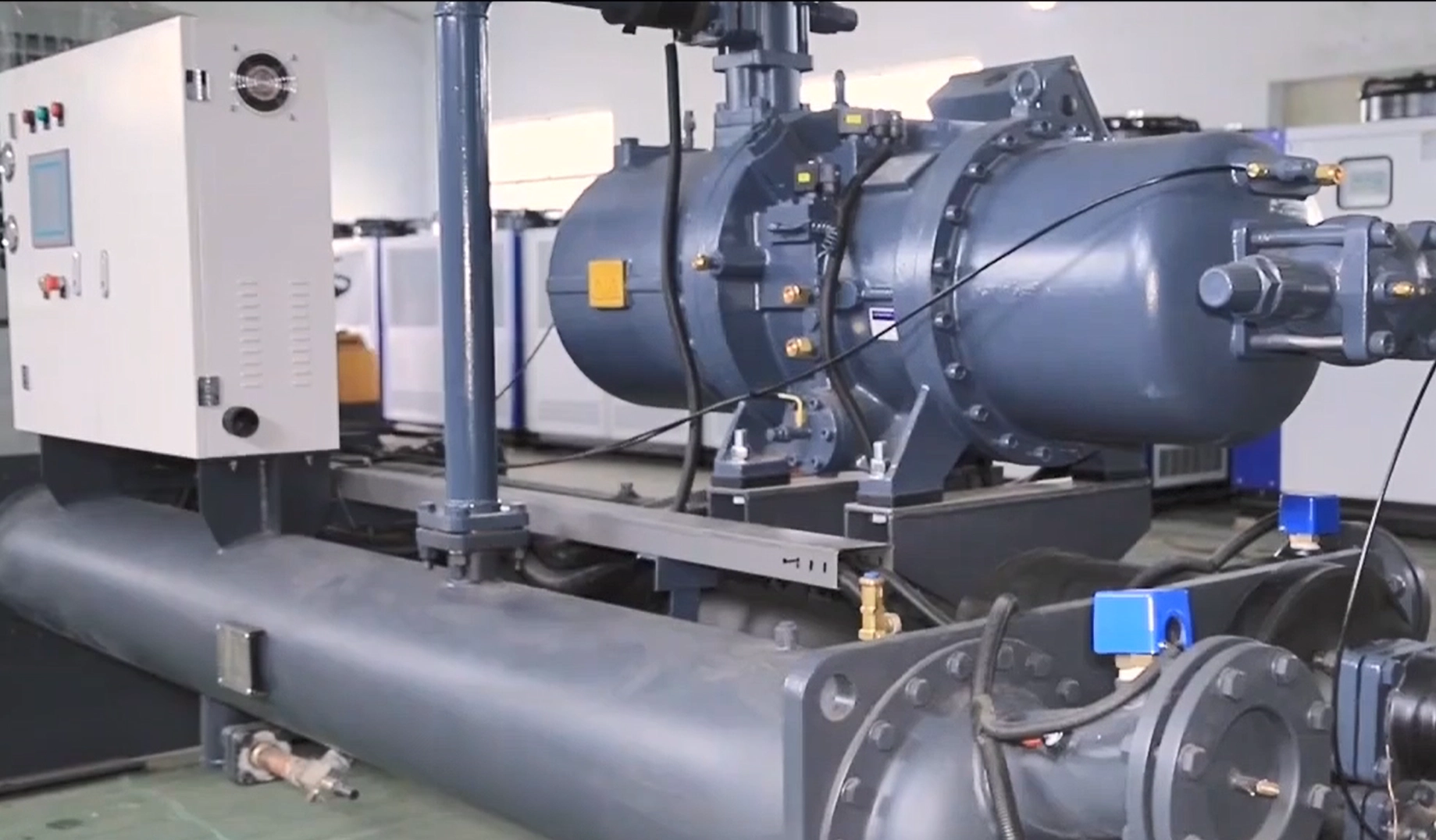
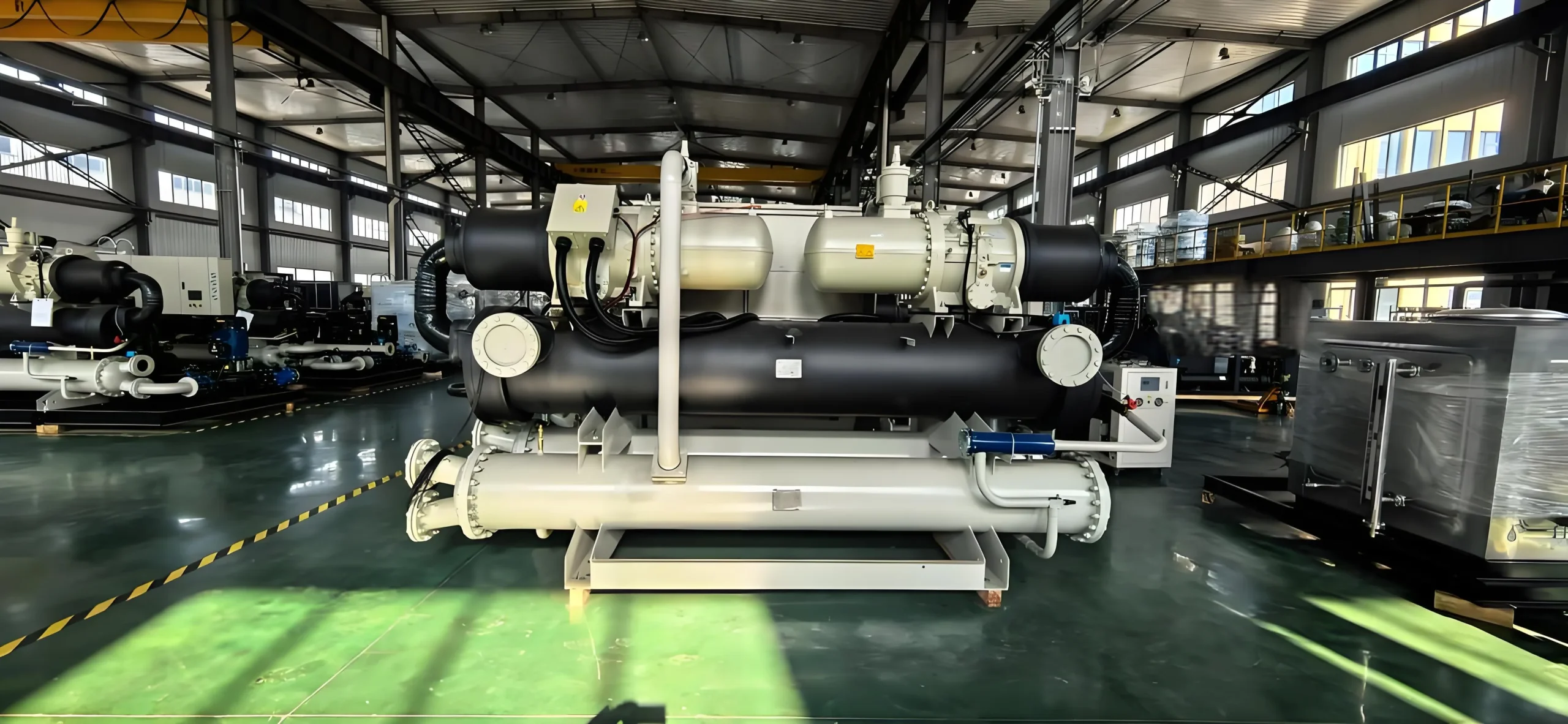
Why choose our "Tekin" chiller?

Economical and reliable
Compared with precision or ultra-low temperature chillers, ordinary chillers (usually standard screw machines or piston machines, providing cold water above 5°C) have higher cost performance, mature technology, stable operation, relatively simple maintenance, and procurement and operating costs are more suitable for the basic cooling needs of large-scale industrial applications.
Meet core needs
Meet core needs
For many process links in chemical plants (such as reactor cooling, equipment cooling, general condensation) and spinning cooling in chemical fiber plants (especially conventional varieties), cold water at 5°C-15°C can meet most temperature control requirements.
Durability
Durability
The industrial-grade design enables it to adapt to the relatively harsh environment of chemical plants (dust and corrosive gases may exist), with stronger corrosion resistance and longer service life.

Key Benefits of Printing Chillers:

Enhanced Print Quality & Consistency: Stable temperatures ensure consistent ink flow, dot gain, color matching, and registration accuracy run after run. Increased Productivity: Minimizes downtime caused by heat-related problems, press stops for adjustments, and unscheduled maintenance. Enables higher press speeds. Reduced Waste & Costs: Significantly lowers scrap rates due to defects. Optimizes ink and substrate usage. Extends consumable life (e.g., UV lamps, rollers, bearings). Extended Equipment Lifespan: Protects valuable printing presses and auxiliary equipment from heat stress and premature wear. Improved Process Control: Provides a stable thermal foundation for predictable, repeatable results essential for high-end commercial, packaging, and label printing. Operational Reliability: Modern chillers offer robust construction, precise temperature control (±0.5°F/±0.3°C), energy efficiency, and advanced monitoring/control features.
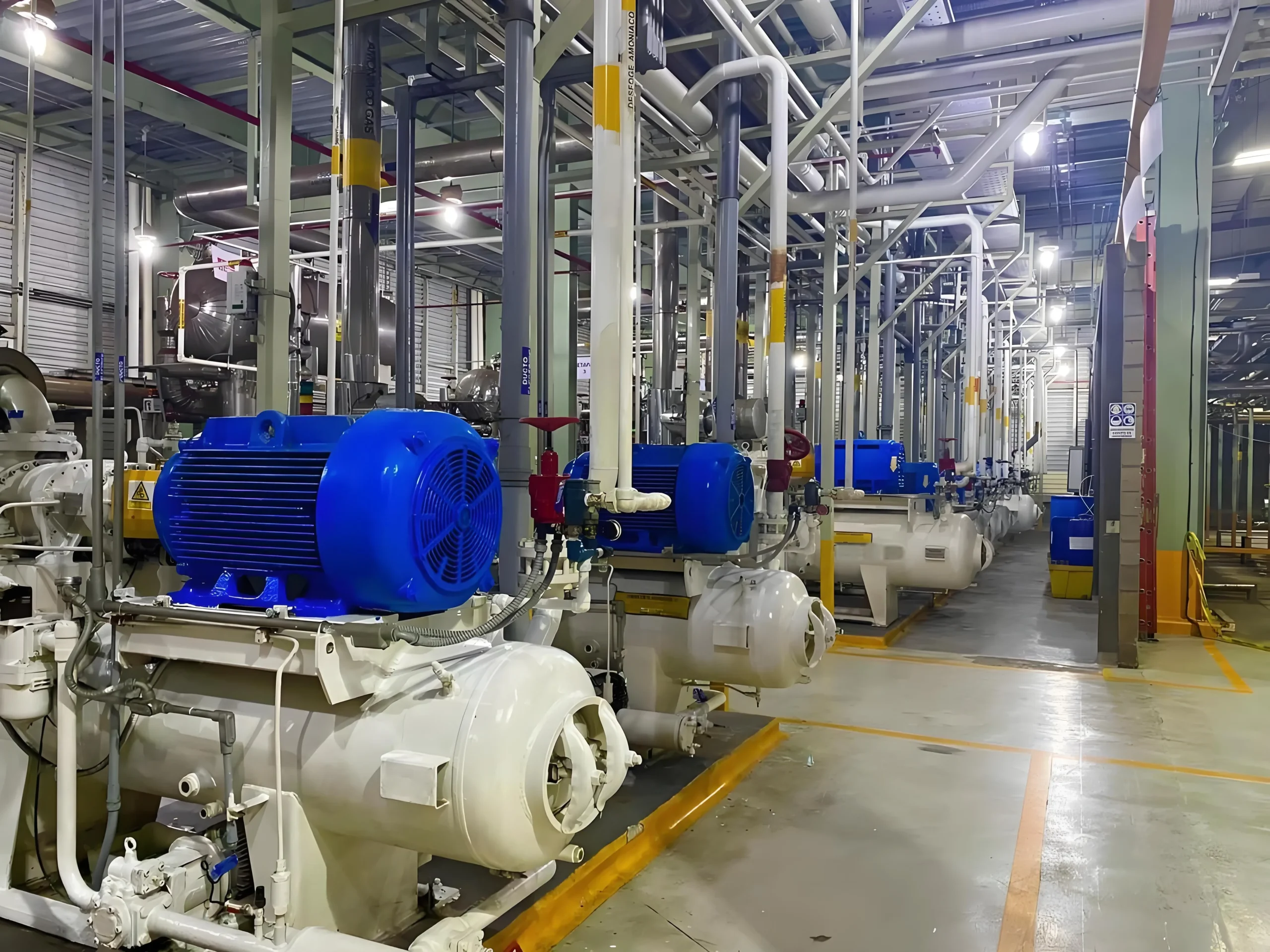
Water Cooled Screw Chillers,industrial chiller,water chiller unit, water cooler, tekincooling chiller, tekin chiller,chemicalchiller #Factorychiller #chillermanufacturer #wastewatertreatment #textileindustrialchiller

The Solution: Industrial Chillers for Printing

Dedicated printing chillers deliver targeted, reliable cooling to stabilize the entire process:

  1. Critical Component Cooling:

    • Ink & Dampening Rollers: Circulating chilled water through roller cores maintains optimal ink temperature and viscosity, ensuring consistent transfer, color fidelity, and sharp dot reproduction. Prevents ink skinning in fountains.

    • Print Cylinders/Bearings: Controls thermal expansion, maintaining precise cylinder gap tolerances critical for registration.

    • Laser Engraving Units & Digital Print Heads: Protects sensitive electronics and ensures precise thermal management for consistent operation.

  2. Process Heat Removal:

    • UV Curing Systems: Actively cools powerful UV lamp housings and power supplies, preventing overheating shutdowns, extending lamp life, and maintaining stable curing energy output. Often requires high-temperature chiller capabilities.

    • IR/Hot Air Dryers: Provides supplementary cooling capacity to manage ambient temperature rise within the press enclosure.

    • Press Frame/Ambient Cooling: Helps stabilize the overall operating environment.

Choosing the Right Chiller:
Solutions range from compact air-cooled units for specific rollers or lasers to large, high-capacity water-cooled systems for entire presses and UV curing lines. Key considerations include required cooling capacity (tons/kW), temperature setpoint range, flow rate, pressure, connection types, ambient conditions, and integration capabilities with press controls.
Quench cooling Semiconductor Thermal spray Thermoforming Vacuum Forming Welding WineriesYogurt Machines Paint lines Furnace cooling Chiller Machine

Customer Testimonials

Carbon footprint tracker proved 580 tons CO₂ reduction/year. Recycled titanium in heat exchangers got us tax credits under EU CBAM. Sustainability isn’t marketing fluff here.

±0.5°C quench air control eliminated 0.7% ‘dumbbell’ PET fibers. AI predicts spin finish temp drift – saving $360k/year on off-spec material.

Running 32°C mold temp ±0.3°C with Tekin’s chiller cut our ABS warpage scrap from 7% to 0.8%. Energy recovery pre-heats pellets – saving $18,000/month in Dongguan summer. Worth every penny.

Achieved PUE 1.15 by integrating their dry cooler with free cooling. EC fans cut noise to 68dB(A) – passed municipal audit 1000m from residential zone. Maintenance cost? 70% lower than evaporative towers.

Cooling acrylonitrile reactor at -5°C with Tekin chiller. Zero downtime in 18 months vs. replacing 316SS exchangers quarterly. Corrosion warranty backed real data.

ATEX-certified chiller on gas compressor stayed online during -35°C Siberian winter.

Suppliers of 2-ton, 3-ton, and 4-ton small capacity water chillers are all reliable.

FAQ

Can the temperature control accuracy meet the requirements of injection molding/laser cutting?

· ±1°C (meets 90% of conventional applications)
· Need ±0.5°C? Optional upgraded chiller
· Need ±0.1°C? Optional upgraded chiller

What do I need to prepare for installation? How long does it take to complete?

· Basic requirements: 380V power supply (±10%)
Level cement foundation (bearing capacity ≥800kg/m²)
Cooling water pipeline (DN65 interface)
· Installation time:
Hanging the whole machine in place: 1 hour
Water and electricity connection debugging: 4 hours

What is the minimum water outlet temperature of the chiller? Does high temperature environment affect refrigeration?

· Standard model: +5°C to +35°C (ambient temperature ≤ 43°C)
· High temperature response: 85% cooling capacity retention at 43°C (better than the industry average of 75%)
⚠️ Tip: For environments above 43°C, we recommend that you choose a water-cooled chiller

What situations will be charged during the warranty period?

· Free warranty: compressor/circuit board failure
· Cost charges:
Scale blockage (not cleaned regularly)
Rat bite circuit (no protective cover installed)
Voltage instability leading to board burnout (no voltage regulator installed)
Machine damage caused by human factors or force majeure environmental factors

Want to talk to a professional technician? Click here and you will find the solution!

CONTACT US
TYPE TO SEARCH

Name: Tekin Cooling Co., Ltd

WhatsApp/phone: +8618875909946

WhatsApp/phone: +8618823849501

Email: info@tekincooling.com

Address: Tekin Industrial Park, Shenzhen City, Guangdong Province,China.