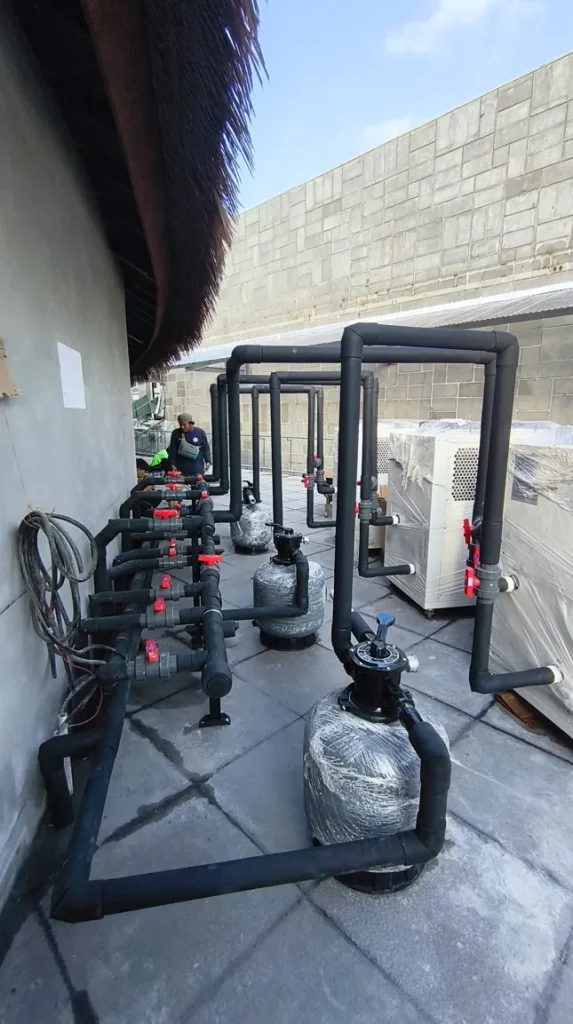
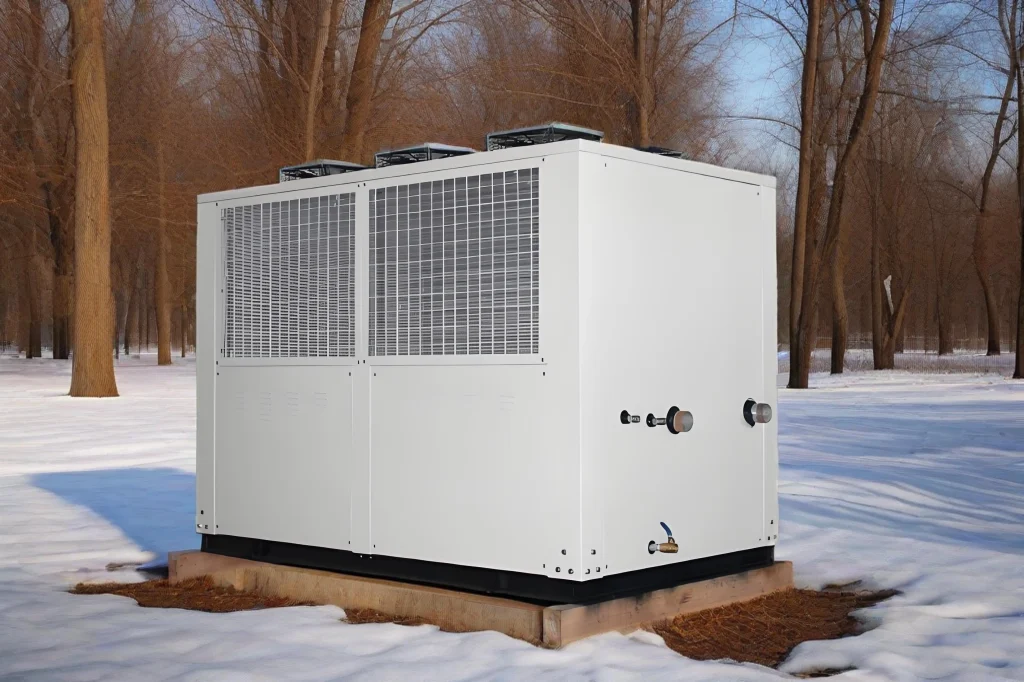
Temperature Control Unit (TCU) is used in industrial, laboratory, and medical sectors for precise temperature control. It heats or cools a circulating medium (e.g., water or oil) to ensure process stability and product quality.
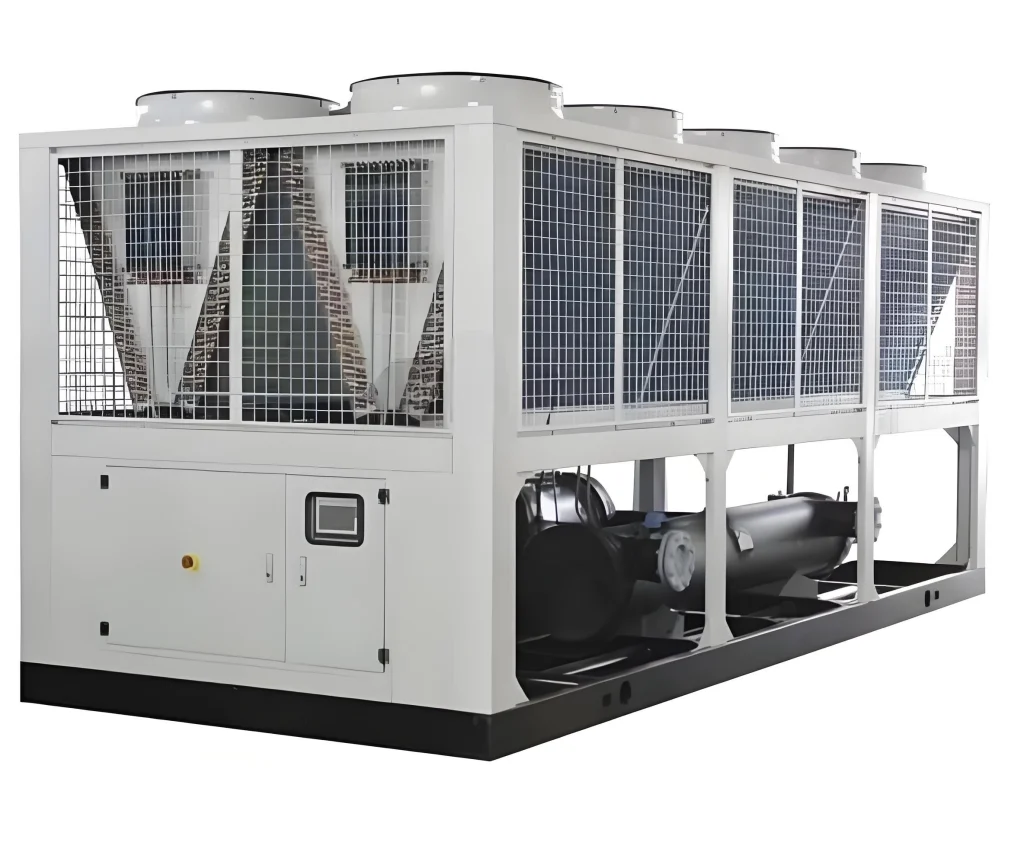
Air-cooled chillers trigger high-pressure alarms when the refrigerant pressure in the condenser exceeds safe limits. This critical safety feature prevents equipment damage (e.g., compressor failure, burst pipes). Below are the primary causes and troubleshooting steps:
Troubleshooting a low-pressure alarm in industrial chillers requires a systematic approach to identify the root cause without overlooking critical factors. Here's a step-by-step guide:
Low-pressure alarms in chillers indicate refrigerant pressure in the evaporator has dropped below safe thresholds, risking compressor damage. Below is a structured breakdown of causes, diagnostics, and solutions:
Poor performance in industrial chillers can stem from mechanical, operational, environmental, or system-design issues. Here’s a structured breakdown of key causes, symptoms, and implications: